
Gynecology
Pregnancy
During pregnancy, we monitor how you and your baby are doing. Regular checkups help us detect possible risks early and guide you through pregnancy with calm and confidence.
Care that’s easy to find your way through
Two lines on a test can bring joy, surprise and uncertainty. What happens next? When should you come in for your first checkup? Which tests are ahead of you? At G‑Innova, we will go through each step with you and explain what it is for.
Every woman’s pregnancy is different. That is why we tailor the scope and frequency of care to your health and to how your pregnancy is progressing. We are also interested in your questions and in how you feel throughout.

First visits
After a positive test, schedule a checkup with us. During your first visits, we will confirm the pregnancy, assess how far along it is and determine your estimated due date. We will discuss your health, the medications you take and any previous pregnancies, and prepare a plan for your further care.
In early pregnancy, blood tests are done, for example to determine your blood type and complete blood count and to check for certain infections. You will receive your pregnancy record card and information about the visits ahead.
Regular checkups
At prenatal visits, we ask about any symptoms and monitor how your pregnancy is progressing. We check, for example, your blood pressure, your urine and, depending on how far along you are, signs of your baby’s well-being. Ultrasounds and blood tests are not automatically part of every visit; they have their recommended time frames and are also added as needed.
At first, visits are usually less frequent; the intervals get shorter as the birth approaches. If you need closer monitoring, we will agree on an individual plan.
Tests during pregnancy
In the first trimester, we will explain the options for screening for developmental and chromosomal abnormalities. Combined screening brings together ultrasound and a blood test. The result expresses the probability of certain abnormalities; on its own, it neither confirms them nor rules out all possible problems.
If the result shows a higher risk, we will discuss further options. These may include a more detailed ultrasound, genetic counseling, a maternal blood test or diagnostic testing. NIPT is also a screening test, and a high-risk result needs further clarification.
In the second trimester, the ultrasound focuses on the development of your baby’s organs, its growth, the placenta and the amniotic fluid. You will also usually be tested for gestational diabetes. You will receive preparation instructions in advance.
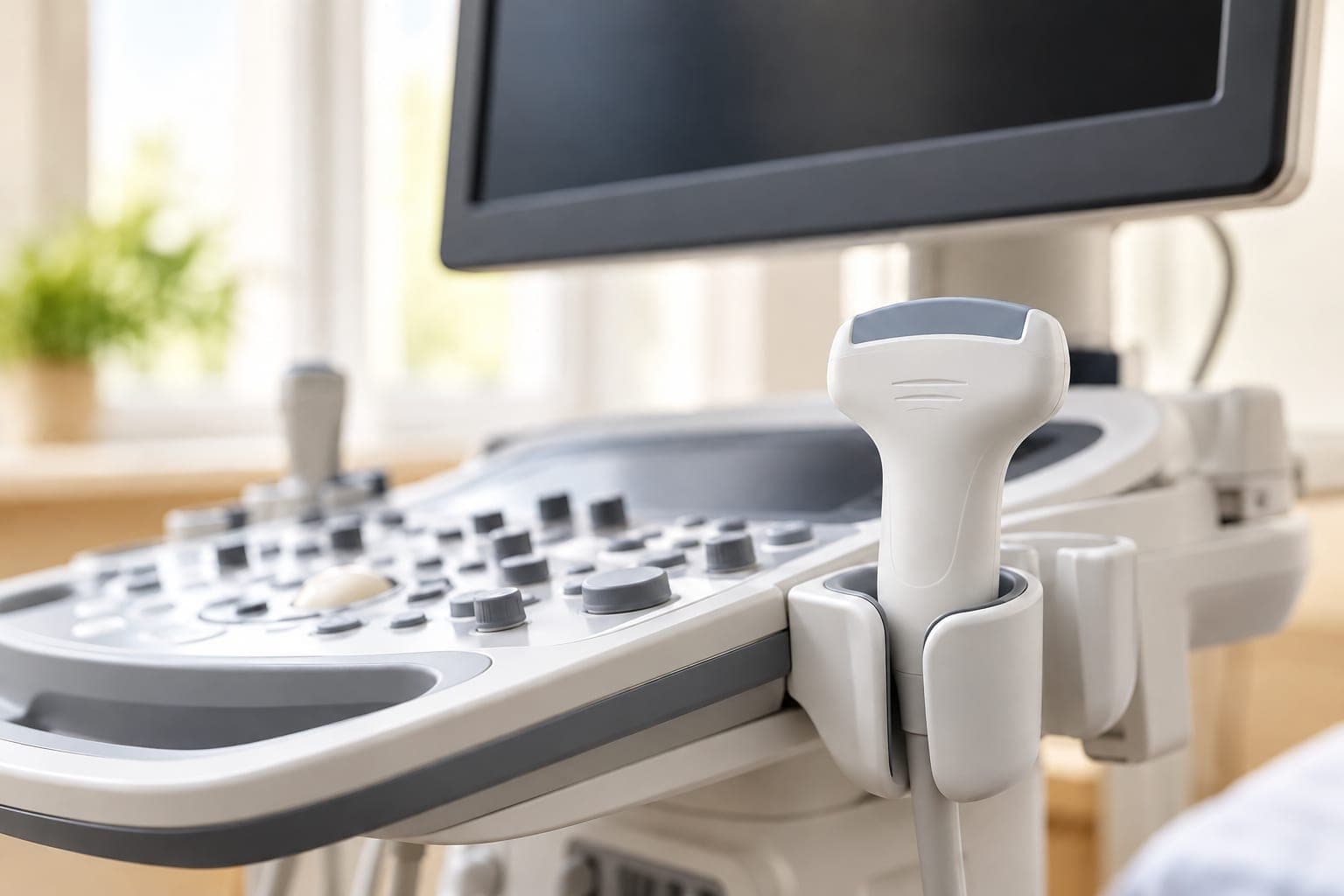
Later in pregnancy, we again monitor your baby’s growth and position and do the recommended blood tests. Before the birth, a swab for group B streptococcus is taken. A positive result is not in itself a cause for concern, but it is important for planning how to protect the baby during delivery.
If your blood type is RhD negative, we will explain whether and when you need preventive anti-D immunoglobulin, which helps prevent the formation of certain antibodies.
We will let you know the dates of the necessary tests in good time. For tests at a specialized facility, it is important to book within the recommended period and bring the report to your next checkup. We will also discuss in advance whether any tests need to be paid for.
Care includes you, too
Ask about nutrition, exercise, work, travel, medications and your intimate life. If you are struggling with fear, ongoing anxiety or exhaustion, tell us that as well. Mental well-being is as much a part of health care as your test results.
We will also remind you of other appropriate preventive care, such as dental care and vaccination options during pregnancy. We will discuss their timing based on current recommendations and your situation.
Preparing for birth
In good time, we will arrange the continuation of your care at the maternity hospital you have chosen. Its rules for registration and taking over your care may vary. If labor does not start around your due date, we will explain the plan for further checkups and the options for inducing labor.
When not to wait for your next visit
Contact your doctor or maternity hospital without delay if you have bleeding, suspect your water has broken, notice a marked decrease in your baby’s movements, or have severe abdominal pain or regular painful contractions before your due date. A severe headache with vision problems, fever or a sudden worsening of your condition also needs prompt assessment. If you have shortness of breath, chest pain or you faint, seek urgent help; in a serious situation, call 155 (emergency medical services).
If you’re not sure, it’s better to ask. You don’t have to decide on your own how serious your symptoms are.
Book an appointment
We take phone enquiries on working days between 8:00 and 12:00. If you cannot reach us, we will call you back. You can leave a voice message, write to us through Medevio, or email info@ginnova.cz. Selected services can be booked directly in Medevio.