
Gynecology
Contraception
Together, we will choose contraception that fits your health, your life situation and your plans for the future. We will discuss reliability, possible side effects and what matters most to you.
Contraception that fits your life
Do you want to feel secure but don’t want to think about a pill every day? Do you prefer a hormone-free method? Are you breastfeeding, planning a baby later, or is your current contraception not working for you? These are all good reasons to talk.
There is no single ideal method for every woman. Together, we will look for one that suits your health, your daily routine and your plans. We will discuss its reliability, how to use it, its benefits and possible risks. Your previous experience and your wishes matter when making the choice.
Pills, ring or patch
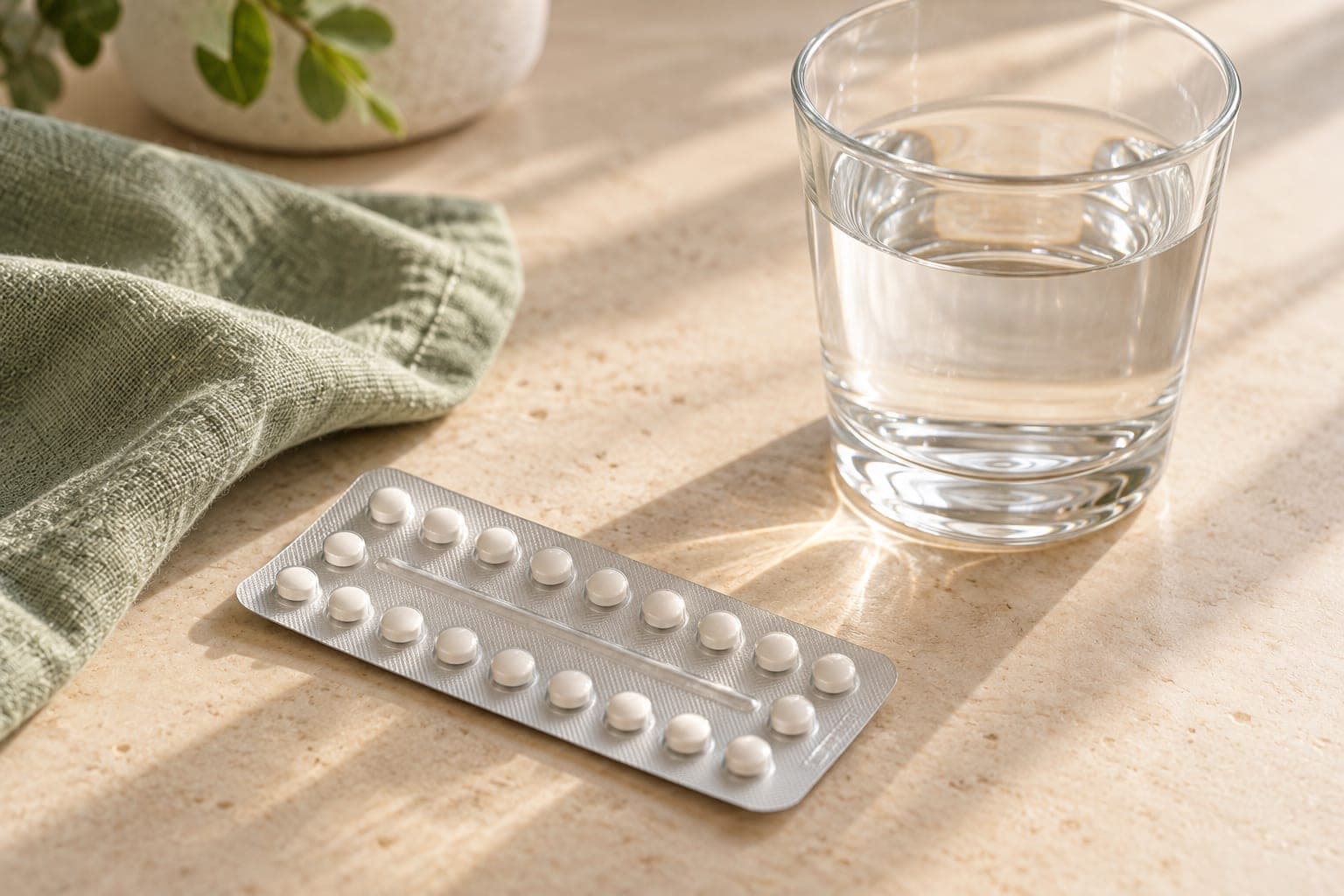
Besides preventing pregnancy, hormonal pills can reduce bleeding or menstrual pain. However, they need to be taken regularly. A missed dose, vomiting, severe diarrhea or certain medications can reduce their effectiveness.
There are pills containing two types of hormones as well as estrogen-free options, known as mini-pills. These may suit, for example, some breastfeeding women or women for whom estrogen is not suitable. Irregular bleeding can occur with these as well.
If taking something every day doesn’t suit you, a vaginal ring or a patch may be an option. We will explain how to use it based on the specific product. Both methods usually contain estrogen and therefore have similar health restrictions to combined pills.
When making the choice, we also ask about migraines, smoking, blood pressure, previous thrombosis and conditions that run in your family. For example, migraine with aura or an increased risk of blood clots can significantly affect the choice.
Long-term protection without daily attention
An intrauterine device (IUD) is inserted into the uterus by a doctor and, depending on the type, provides protection for several years. It may also be suitable for women who have not yet given birth.
A hormonal IUD usually makes periods lighter; sometimes bleeding stops almost completely. However, spotting may occur, especially at first. A copper IUD contains no hormones, but it may make periods heavier or more painful.
Insertion can be uncomfortable or painful. That is why we will discuss what it involves and the options for pain relief beforehand. We will also explain any possible risks and when to contact us after insertion.
- Intrauterine device insertion at the clinic
- CZK 1,700+ plus the cost of the device
Another option is a hormonal implant placed under the skin — a small rod inserted into the arm. It is one of the highly reliable methods, but it can change the regularity of bleeding. We will discuss its current availability and whether it is right for you during your consultation.
Other options
The hormonal injection is given approximately once every three months. It may suit women who don’t want to take something every day, but after stopping it, fertility may take longer to return. When deciding, we also consider its possible effect on bone health.
Non-hormonal methods include condoms or a diaphragm with spermicide. Their reliability depends greatly on correct use. Condoms also reduce the risk of sexually transmitted infections; pills, IUDs and implants do not protect against them. Internal and external condoms should not be used at the same time.
Tracking fertile days requires a good understanding of your cycle and consistency. A calendar or an app alone may not be enough, especially if your periods are irregular. Withdrawal is one of the less reliable methods. Breastfeeding is not automatic protection against pregnancy either — its contraceptive effect depends on precisely defined conditions.
When your usual protection fails
A broken condom or a mistake in taking contraception can happen. Don’t wait to deal with it: with emergency contraception, timing matters. Contact a pharmacist or gynecologist as soon as possible. Depending on the situation, an emergency contraceptive pill or the insertion of a copper IUD may be an option.
The emergency pill does not end an existing pregnancy and does not protect you during further unprotected sex. How to return to your regular hormonal contraception depends on the product used, so ask for an explanation of how to continue.
If you are no longer planning a pregnancy
Female sterilization and male vasectomy are permanent methods. It is important to decide knowing that restoring fertility may not be possible. In addition, protection after a vasectomy is not immediate; it must be confirmed by a follow-up test. We will explain how these procedures work, the conditions for them and the options for follow-up care.
You can change your contraception over the course of your life. If it doesn’t suit you, you don’t have to stick with it just because you have been using it for a long time. Come and tell us what you would like to be different.
Book an appointment
We take phone enquiries on working days between 8:00 and 12:00. If you cannot reach us, we will call you back. You can leave a voice message, write to us through Medevio, or email info@ginnova.cz. Selected services can be booked directly in Medevio.